

Creating Ideal Habitats for Exotic Pets
- Jamie Finch
- Dec 23, 2025
- 5 min read
Updated: Feb 5
Bringing an exotic pet into your home is an exciting adventure. These unique creatures deserve special care, especially when it comes to their living environment. Creating the right habitat is key to their health and happiness. A well-designed space not only supports their natural behaviours but also adds a beautiful, natural touch to your home.
Understanding Exotic Pet Habitats
When setting up a home for an exotic pet, it’s important to understand its natural environment. Each species comes from a different part of the world, with a unique climate, terrain, and vegetation. Mimicking these conditions helps your pet thrive.
For example, tropical reptiles need warm, humid spaces with plenty of plants and hiding spots. Desert animals require dry, sandy areas with rocks and minimal moisture. Aquatic pets need clean, filtered water with the right temperature and lighting.
You should always start by researching the specific needs of your pet. This includes temperature ranges, humidity levels, light cycles, and space requirements. Then, choose materials and decorations that replicate their natural habitat as closely as possible.

Essential Elements for a Healthy Habitat
Creating a safe and comfortable habitat means paying attention to several key elements.
Temperature Control: Use heat lamps, heating pads, or ceramic heaters to maintain the right temperature. Many exotic pets need a temperature gradient so they can move between warm and cool areas. If you live in a hot country, then you might need to consider a cool space, because vivariums can behave like greenhouses and trap heat.
Humidity: Some pets require high humidity, which you can provide with misting systems, water bowls, or live plants. Plenty of sphagnum moss, deep substrate and leaf litter will also help you manage humidity levels. Other species need dry air, so you should ensure their enclosure has limited moisture.
Lighting: UVB lighting is essential for many reptiles and amphibians to synthesise vitamin D3. Use timers to mimic natural day and night cycles.
Substrate: Choose bedding that suits your pet’s needs. For example, coconut fibre works well for tropical species, while sand or gravel suits desert dwellers. For isopods, millipedes and detrivores, substrate is an essential nutrient source, so you should give them other substrates like potting soil and compost. coconut fibre is excellent at absorbing water but has no nutritional value, so you should use it sparingly if you are housing detrivorous species.
Hiding Spots and Enrichment: Provide caves, logs, plants, and climbing structures. These give your pet places to hide and explore, reducing stress and encouraging natural behaviours. Be careful that any structures you place don't give your pet an easy escape route.
Clean Water: Fresh water is a must. Some pets need shallow dishes, others require pools or running water. Moist sphagnum moss is an excellent source of drinking water for many animals.
You should set up a checklist to ensure you cover all these points before introducing your pet to their new home.
What are the 12 habitats?
When thinking about exotic pets, it helps to know the common habitat types they come from. Here are 12 habitats that many exotic species call home:
Tropical Rainforest - Warm, humid, dense vegetation.
Desert - Hot days, cool nights, sandy or rocky terrain.
Savannah - Grasslands with scattered trees, warm climate.
Temperate Forest - Seasonal changes, moderate humidity.
Mountain - Cooler temperatures, rocky and uneven ground.
Wetlands - Marshy, water-rich areas with lots of plants.
Grasslands - Open, dry areas with tall grasses.
Mangroves - Coastal, brackish water with dense roots.
Coral Reef - Underwater, colourful, and complex structures.
10. Freshwater Rivers and Lakes - Flowing or still water habitats.
11. Caves - Dark, humid, and cool environments.
12. Urban - Adapted to city environments, often with limited natural features.
Knowing which habitat your pet belongs to helps you recreate the right conditions. For example, a chameleon from a tropical rainforest needs a tall enclosure with lots of plants and humidity, while a bearded dragon from the desert prefers a dry, sandy setup with basking rocks.
Practical Tips for Setting Up Your Exotic Pet’s Home
Following practical steps can make the process easier and more enjoyable. Here are some tips to get you started:
Choose the Right Enclosure
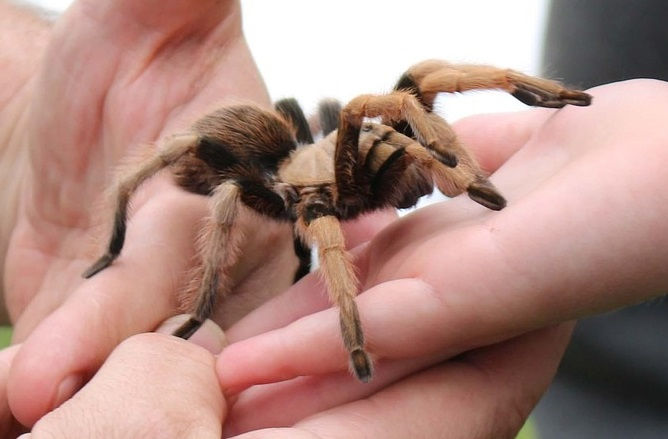
Size matters. Your pet needs enough space to move, climb, or swim. Glass terrariums, plastic tubs, or custom-built cages all work, depending on the species. Note that it's also possible to create an enclosure that is too large for your species. For example, a tall vivarium might allow a tarantula to fall, so they should be avoided.
Create Zones
Divide the habitat into different zones - warm and cool, wet and dry, open and covered. This allows your pet to regulate their body temperature and feel secure.
Use Live Plants When Possible
Live plants improve air quality and humidity. They also make the habitat look natural and inviting. Just make sure the plants are safe for your pet.
Install Proper Lighting and Heating
Use timers to simulate natural light cycles. Position heat sources or cool areas to create a temperature gradient.
Add Natural Decorations
Branches, rocks, bark, and moss provide climbing and hiding opportunities and nutrition for some animals. Avoid sharp or toxic materials.
Maintain Cleanliness
Regularly clean the enclosure and replace the substrate to prevent bacteria and parasites. Using a biologically active setup with the help of springtails and isopods will do much of the work for you.
Monitor Conditions Daily
Use thermometers and hygrometers to check temperature and humidity. Adjust as needed. however, you should also be careful not to intrude too much because you might otherwise stress your pets. For example, isopods are less likely to breed if you frequently overturn bark and leaves, disturbing their peace.
By following these steps, you’ll create a habitat that supports your pet’s health and natural behaviour.

Bringing Nature Indoors with Style
One of the joys of keeping exotic pets is how their habitats can enhance your home décor. Blending natural elements with modern design to create a peaceful, green space.
Here are some ideas to make your pet’s habitat a beautiful part of your living area:
Use Stylish Terrariums: Choose sleek glass enclosures or wooden vivariums that match your interior style.
Incorporate Natural Materials: Bamboo, stone, and wood accents add warmth and texture.
Add Ambient Lighting: Soft LED lights around the enclosure create a calming atmosphere.
Create a Green Corner: Surround the habitat with potted plants and natural décor to extend the jungle feel.
Keep It Tidy: Organise cables and equipment neatly to maintain a clean look.
This approach not only benefits your pet but also brings a refreshing touch of nature into your home. It’s a win-win for both you and your exotic companion.
Caring for Your Habitat Over Time
Setting up the perfect habitat is just the beginning. Ongoing care is essential to keep it healthy and comfortable.
Regular Cleaning: Spot clean daily and do a full clean every few weeks. As mentioned above, a biologiaclly active setup will help reduce the workload.
Check Equipment: Make sure heaters, lights, and filters are working properly.
Prune Plants: Keep live plants healthy and remove dead leaves.
Observe Your Pet: Watch for signs of stress or illness that might indicate habitat issues.
By staying attentive, you ensure your pet’s environment remains a safe and happy place.
Creating and maintaining the right habitat is a rewarding part of exotic pet ownership. It takes effort, but the joy of seeing your pet thrive makes it all worthwhile. If you want to explore more about custom habitats and unique species, Home Jungles is a fantastic resource to help you bring a piece of nature indoors.
Happy habitat building!


Comments