

Is it Safe to Keep a Venomous Animal
- Jamie Finch
- Feb 18
- 4 min read
Take a quick look at the internet, and you will find a plethora of people with venomous species as pets. Many will even handle them, after all – it looks cool and is an experience that many will not forget.
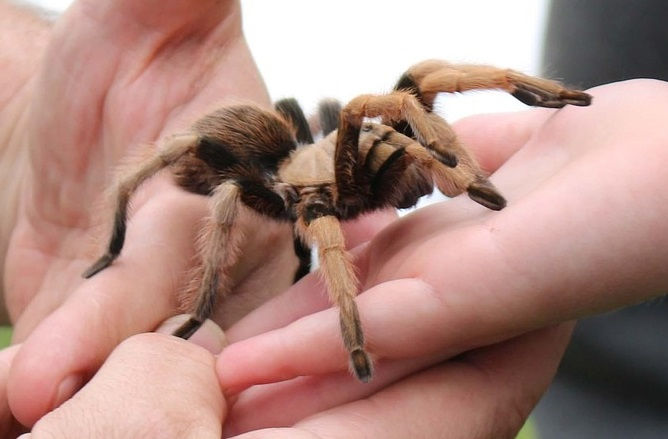
Keeping these animals can be very rewarding and make a fascinating centrepiece for your home. You have probably heard that certain species are docile and have very mild venom, making them an ideal pet, but this doesn’t necessarily make it a good idea to handle them.
Experienced keepers won’t need this article to tell them whether or not they should handle their animals, and this article is more for those new to keeping exotic pets.
So, if you’re unsure if you should handle a venomous animal, read on.
Is it Dangerous to Keep a Venomous Animal?
There is something everybody should consider before handling any venomous species: Anaphylactic shock.
An anaphylactic shock is a potentially lethal allergic reaction that some people experience after stings or bites from venomous animals. The venom in question does not even have to be strong – a simple bee sting can be enough to cause a reaction with disastrous consequences. And don’t underestimate the danger. After all, some people can be killed by an anaphylactic shock after eating strawberries or peanuts.
If you are keeping a particularly dangerous species, then it’s best to keep them in a locked cabinet behind a locked door. This will also help to keep other people safe from your dangerous pets. Remember that although you might be the most experienced and smartest animal keeper, other people won’t be, so keep your dangerous species where others cannot get to them.
The chances of you dying from a bite from the world’s most venomous species are zero if the animal cannot physically reach you. Ensure it is impossible for your pet to escape. Give them high walls and securely fastened lids. You should also remain vigilant when feeding and cleaning their habitat because tragedy could be just a moment of absentmindedness away. Many bad experiences were easily avoidable if only the victim had taken more care.
Should You Handle a Venomous Animal?
Many people handle venomous animals like tarantulas and scorpions. Most of the time, the animal will remain calm and eventually return safely to its enclosure with no drama. However, there is ALWAYS the possibility of being stung or bitten, no matter how placid you think your animal might be.
For example, the Chilean Rose Tarantula is among the most popular domestic breeds largely because of their chilled nature. They usually don’t mind being handled and will give plenty of warning if they have had enough.
However, even a Chile Rose can bite and occasionally do.
Tarantulas usually only bite when they feel unsafe. If you are startled when holding a tarantula, then you may startle the spider in turn – potentially leading to an unpleasant reaction. There is a long list of potential accidents that can go wrong, no matter how much you might think you are in control.
Danger to Your Pet
So far, we’ve only spoken about handling venomous aspects from our perspective – how safe or otherwise it is to us to handle them. Another perspective you should consider is the animal’s safety.
Animals like tarantulas are very delicate and could easily die from falling just a few inches. If you were holding a spider and reacted to a sudden movement, it might lead to a fatal fall for the poor spider. This in itself makes it a bad idea to handle many exotic species, especially if you are prone to becoming attached to individual animals.
How to Handle a Venomous Species
If you do want to handle your animal, then you should do so as carefully as possible.

First of all, you should take note of the animal’s body language. For example, a tarantula with its front legs raised and fangs exposed is NOT in the mood for being picked up. Other animals will also tell you how they are feeling through body language, and it’s essential to learn this language before you even consider handling your animal.
You should never try to pick up a scorpion or spider from above because they will likely feel threatened. Instead, lay your hand in front of them (provided they are showing the appropriate body language) and gently try to coax the animal onto your hand.
You should also be prepared to put your animals safely and quickly if their mood changes, which can happen very quickly through no fault of your own.
The Best Answer is “No”!
Many experienced venomous species keepers would say the best policy is not to handle exotic venomous pets at all. Not even those usually considered placid.
Handling a tarantula or scorpion might look cool, and it can be tempting to show off, but the potential downsides far outweigh any upsides. Of course, it’s your decision to make, but handling venomous species is generally frowned upon by the community in general.
Another reason not to handle venomous species – especially not the dangerous ones – is that it gives lawmakers a reason to tighten laws or even ban the keeping of them. In addition to causing harm to yourself or other people, irresponsible behaviour could also ruin the hobby for others.
Final Note
There’s a simple rule that EVERYBODY should follow when it comes to exotic animals: Never handle a species you cannot identify 100%. Many animals have evolved with similar appearances, and what might appear to be an innocuous-looking species might be loaded with a highly potent venom. If you’re not sure of the species, then it’s best to admire the animal from a safe distance.


Comments